Designing a Kitchen for Entertaining: Layouts and Features That Make Hosting Easy

Kevin Beck
February 2, 2026

There's something special about bringing friends and family together in your home. But it's almost inevitable that the kitchen will become the heart of your gathering. Whether you're hosting an intimate dinner party or a casual game-day get-together, having a kitchen designed with entertaining in mind makes the entire experience more enjoyable for both you and your guests. 

At Cumberland Kitchen and Bath, we've seen how thoughtful design choices transform kitchens from functional spaces into welcoming environments where memories are made. Here's what to consider when planning a kitchen that's perfect for hosting.

The power of an open layout

The days of the person prepping and cooking being isolated from guests are long gone. Today's entertaining kitchens embrace open concepts that allow the host to remain part of the conversation while overseeing the food. Removing walls between the kitchen and adjacent living or dining areas creates a natural flow that encourages guests to mingle throughout the space. Even if a full open concept isn't possible (or desired) in your home, consider a partial opening or pass-through window that connects the kitchen to entertaining areas. This visual connection keeps everyone engaged, whether you're stirring risotto for hours or mixing up a quick cocktail.

Kitchen islands can be the ultimate gathering spot

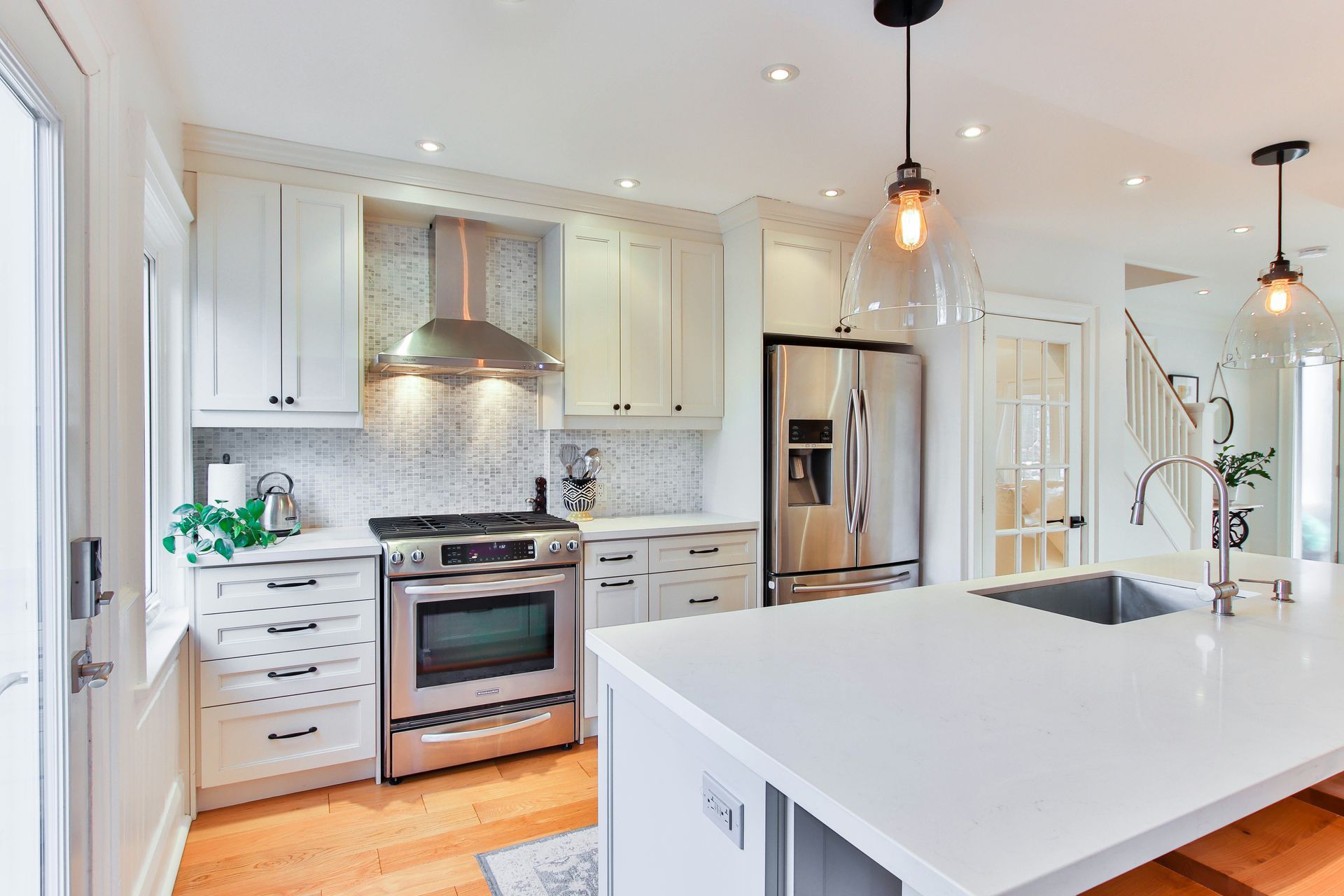
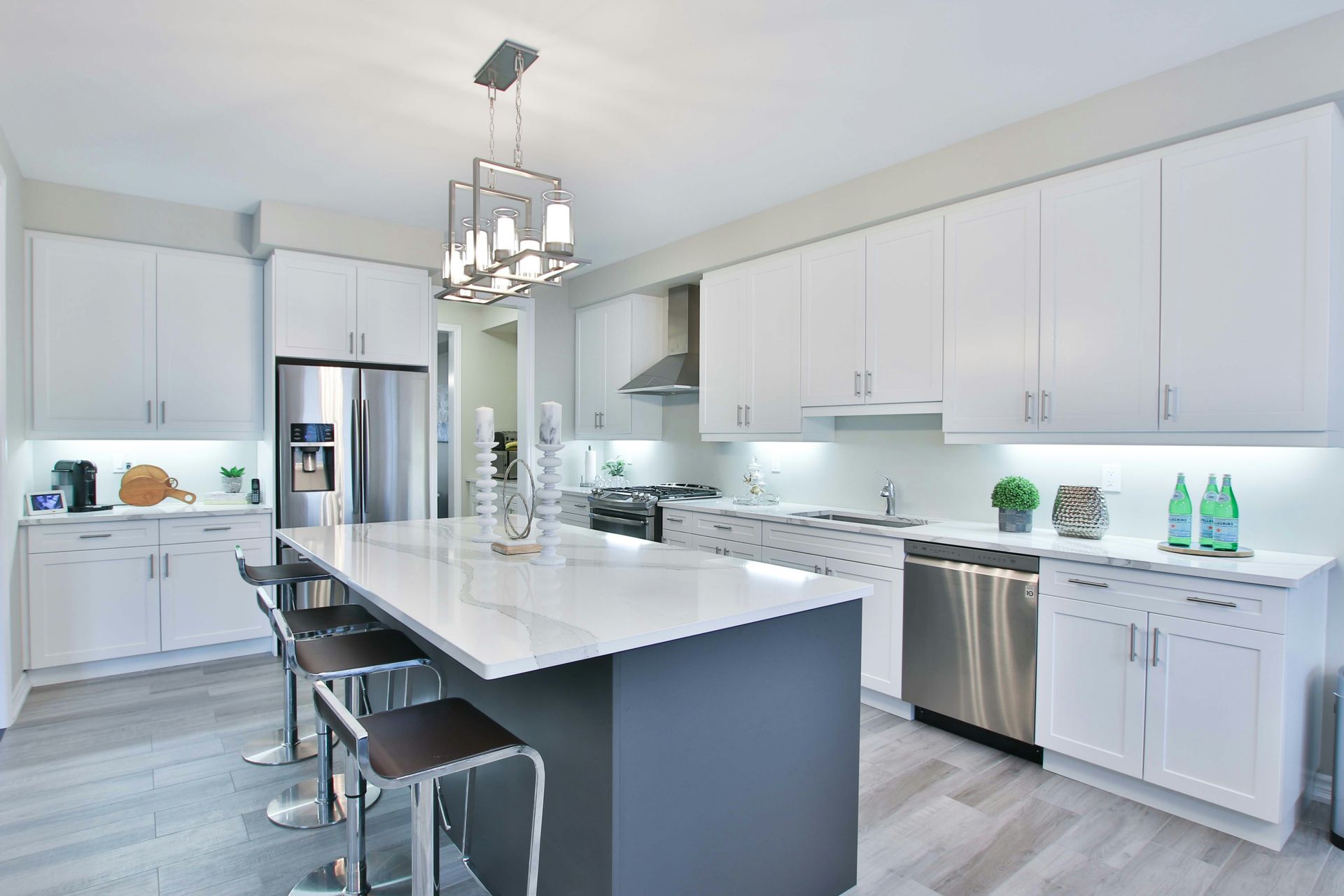
Think of a well-designed island as command central during gatherings. Beyond providing extra prep space, it becomes a natural gathering point where guests can sit, chat, and watch the action. When designing an island for entertaining, size and seating matter. Allow for at least 24 inches of width per person if you're incorporating bar stools, and ensure there's adequate knee clearance underneath. For the island's countertop surfaces, you may want to consider different height levels. For example, a raised bar area can hide kitchen mess from guests while providing comfortable seating. Adding an outlet or two makes it easy to set up a beverage station or keep devices charged during longer gatherings.

Strategic storage for serving pieces

Hosting becomes significantly easier when you can access what you need without digging through cluttered cabinets. Designate specific storage zones for entertaining essentials, such as serving platters, wine glasses, cocktail supplies, and table linens. Deep drawers near the island work great for storing large serving pieces, while glass-front cabinets can display your attractive dishware while keeping it accessible. A beverage center, positioned away from your kitchen's work triangle and equipped with a wine fridge, glassware storage, and a small sink, allows guests to help themselves without crowding your prep and cooking area. This thoughtful organization means you spend less time searching and more time enjoying your company.

Prep zones that keep things moving

Multiple prep areas prevent bottlenecks when you're cooking for a crowd. In addition to your primary cooking zone, consider incorporating a secondary sink or prep sink elsewhere in the kitchen. This dedicated space allows a helper to wash vegetables or rinse glasses without interfering with your cooking flow. If space permits, a butler's pantry adjacent to the kitchen provides an invaluable staging area for plating dishes, storing extra supplies, or keeping dirty dishes out of sight during the party. These additional zones distribute the work and make collaborating with family members or caterers much more manageable.

Lighting that sets the mood

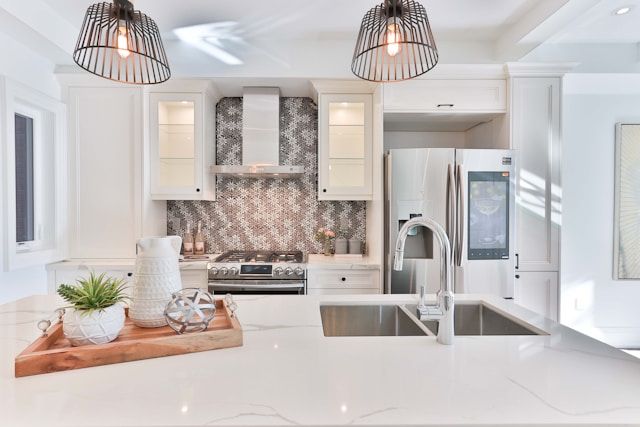
For those who entertain, flexible lighting is often a must as it allows you to shift from bright task lighting during food prep to softer ambient lighting during the meal. Layered lighting with dimmer switches is an easy way to have control over the atmosphere. But strategically placed lighting features can work well, too. Pendant lights over the island provide focused task lighting while adding visual interest, and under-cabinet lighting ensures work surfaces stay well-lit. You might also want to consider adding accent lighting inside glass-front cabinets to showcase special pieces and create warmth.

Appliances that work as hard as you do

When you're cooking for guests, appliance capacity and functionality are so important. A double oven allows you to prepare multiple dishes at different temperatures, while a warming drawer keeps finished dishes at serving temperature while the other courses finish cooking. An oversized refrigerator with dedicated zones for beverages, produce, and leftovers ensures you have space for party supplies without sacrificing everyday items. Even details like a pot-filler faucet near the stove or a commercial-style range with multiple burners can make entertaining less stressful and more enjoyable.

Cumberland Kitchen and Bath understands entertaining

Creating a kitchen that excels at entertaining (and everyday efficiency) requires balancing aesthetics with functionality. At Cumberland Kitchen and Bath, we work closely with clients to understand how they use their space and what would make hosting easier and more enjoyable. From selecting the right layout to choosing features that support your entertaining style, we'll help you design a kitchen you'll love welcoming guests into. 

Kevin Beck • February 2, 2026
Cumberland Kitchen & Bath Design Center
1764 Mendon Rd, Cumberland, RI 02864, United States
By Kevin Beck March 2, 2026
Your bathroom is one of the most used rooms in your home — and one of the most overlooked when it comes to investing in updates. It's easy to get used to a space that's functional enough, even when it's outdated, inefficient, or just plain frustrating to use. But there comes a point when a remodel isn't just nice to have — it's overdue. Here are seven signs it's time to stop tolerating your bathroom and start transforming it. 1. The tile is cracked, stained, or impossible to keep clean Tile that's seen better days isn't just an eyesore — it can become a real maintenance problem. Cracked grout allows moisture to seep into walls and floors, which can lead to mold, mildew, and structural damage over time. If you're spending more energy scrubbing than enjoying your bathroom, that's a sign the materials themselves need to go. 2. The layout doesn't work for your life Maybe the toilet is crammed next to the vanity. Maybe there's no room to open the shower door without bumping into something. Maybe two people can't use the bathroom at the same time without getting in each other's way. A layout that made sense for a previous owner — or a different season of life — may not be working for how you actually live today. 3. You've got water damage, mold, or persistent moisture issues This one isn't optional. Water damage behind tile, around the tub, or under the vanity is a problem that only gets worse with time. If you're noticing soft spots, staining, peeling paint, or a persistent musty smell, a remodel isn't just cosmetic — it's necessary maintenance. Addressing it now is significantly less expensive than addressing it after the damage spreads. 4. Your bathroom feels like it belongs to a different decade Peach tile. Brass fixtures from the 1980s. A vanity that looks like it was designed during the Clinton administration. Aesthetics matter — not just for resale, but for how you feel in your own home every day. If you've been apologizing for your bathroom to guests (or to yourself), that's a sign. 5. Storage is nonexistent If your counters are covered in products because there's nowhere else to put them, or if you're stacking things under the sink like a game of Tetris, your bathroom isn't working. A well-designed remodel can include built-in niches, smarter vanity storage, recessed medicine cabinets, and layouts that actually give everything a place. 6. Your fixtures are outdated or inefficient Older toilets, faucets, and showerheads use significantly more water than modern models. Upgrading to current fixtures isn't just better for the environment — it can lower your water bills. If your plumbing is also aging, a remodel is a smart opportunity to address it while everything else is open. 7. You've stopped enjoying the space This one is harder to quantify, but it matters. Your bathroom should be a place you actually want to be — a space that starts your morning well and helps you decompress at the end of the day. If you've started ignoring it, avoiding it, or just tolerating it, that's the clearest sign of all that it's time. What comes next If any of these signs sound familiar, you don't have to figure out the next step on your own. At Cumberland Kitchen and Bath, we specialize in full bathroom remodels that solve real problems and create spaces homeowners genuinely love. Contact us today to schedule your design consultation — and let's talk through what your bathroom could be.
By Kevin Beck January 5, 2026
Choosing a design style for your kitchen renovation ranks among the most important decisions you'll make as a homeowner. The style you select influences everything from cabinet finishes to hardware choices, shaping how your kitchen feels for years to come. Broadly, two of the most popular approaches are modern and transitional design, each offering distinct aesthetics and characteristics. At Cumberland Kitchen and Bath, we help clients navigate these style choices to create kitchens that reflect their personal taste while complementing their homes. Let's explore what sets these styles apart and how to determine which one suits you best. Understanding modern kitchen design h2 Modern kitchens embrace clean lines, minimalist aesthetics, and innovative materials. This style prioritizes function and simplicity, eliminating unnecessary ornamentation in favor of sleek, streamlined surfaces. Modern cabinetry typically features flat-panel doors without raised details or decorative molding. Hardware often disappears entirely with integrated pulls or touch-latch mechanisms, which contribute to a cleaner appearance. Color palettes tend toward neutrals like white, gray, black, and natural wood tones. Although bold accent colors occasionally make strategic appearances. The overall effect is sophisticated and uncluttered, with every element serving a purpose. Materials and finishes in modern kitchens h2 Modern design celebrates contemporary materials and finishes that highlight craftsmanship and innovation. High-gloss lacquered cabinets reflect light and emphasize the clean aesthetic, while matte finishes offer a softer, equally sophisticated alternative. Countertops often feature quartz, concrete, or ultra-compact surfaces with minimal veining or subtle patterns. Stainless steel appliances integrate seamlessly into the design, sometimes hidden behind cabinet panels for an even more streamlined look. Glass, metal, and stone can appear throughout the space but in refined, minimalistic forms. Backsplashes might consist of large-format tiles or solid slabs that eliminate grout lines and visual interruption. What defines transitional kitchen design? h2 Transitional style tends to bridge traditional and contemporary aesthetics, combining the warmth of classic design with the streamlined functionality of modern spaces. This approach offers flexibility (you don't have to commit to one style!) and timelessness. Transitional kitchens feature less ornate cabinetry than traditional spaces but more detail than purely modern designs. For example, shaker-style cabinets with simple recessed panels are a staple in many transitional kitchens, offering just enough visual interest without appearing fussy or overdone. The style welcomes mixing finishes, perhaps white perimeter cabinets with a contrasting wood island, as they can create depth and personality. Balancing elements in transitional spaces h2 The beauty of transitional design lies in its ability to balance seemingly opposite elements into a cohesive kitchen. Hardware choices might include traditional cup pulls alongside contemporary bar pulls, as long as they all have a consistent finish and size. Lighting fixtures combine classic shapes with modern materials, like a lantern-style pendant crafted from brushed nickel rather than ornate brass, and plenty of natural light, too. Color schemes remain neutral but incorporate warmth through taupe, greige, and soft whites, rather than stark black-and-white contrasts. Countertops balance practicality with subtle beauty, like quartz with gentle veining that hints at marble without overwhelming the space. Considering your home's architecture h2 Your home's existing architecture can offer great insight and guidance when choosing between modern and transitional design. Modern kitchens work beautifully in contemporary homes, mid-century spaces, or newer construction with open floor plans and clean architectural lines. However, placing an ultra-modern kitchen in a colonial or Victorian home might feel jarring rather than harmonious. This is why transitional design can be so great, with its flexibility that allows it to complement virtually any architectural style, from historic homes to new builds. This adaptability makes transitional an excellent choice if you're unsure which style would look best with your home's architecture, or if your home blends multiple architectural influences. Lifestyle and longevity factors h2 Beyond aesthetics, consider how each style aligns with your lifestyle and long-term plans. Modern kitchens can require diligent maintenance to preserve their pristine appearance, fingerprints show easily on high-gloss surfaces, and the minimalist aesthetic leaves little room for casual clutter. However, this style can feel energizing and inspiring for those who embrace organization and contemporary living. Transitional kitchens tend to feel more forgiving in daily life, accommodating varying degrees of tidiness while remaining attractive. If you're concerned about trends or resale value, transitional design typically offers broader appeal and longer-lasting value. Cumberland Kitchen and Bath is ready to help guide your style journey h2 Ultimately, the right kitchen style is the one that makes you feel at home. At Cumberland Kitchen and Bath, we listen to your preferences, evaluate your space, and help you develop a design that authentically represents your taste while functioning beautifully for your daily needs. Whether you're drawn to modern minimalism, transitional balance, or a blend of both, we'll create a kitchen you'll love living with.
By Kevin Beck December 8, 2025
When people start researching a bathroom remodel, they often picture the finished product — the spa-like shower, the clean lines, the tile that finally doesn't make them cringe. What they're less sure about is everything in between. What exactly is included in a full bathroom remodel? And what should you actually expect from the process? At Cumberland Kitchen and Bath, we walk homeowners through this every day. Here's a clear picture of what a full bathroom remodel covers — so you can go in with confidence. A refresh vs. a full remodel — what's the difference? A bathroom refresh might mean swapping out fixtures, replacing a vanity, or adding a new coat of paint. It's cosmetic — quick, affordable, and limited in scope. A full remodel is a different animal. It involves stripping the bathroom down to its functional bones and rebuilding it to reflect your lifestyle, your taste, and your home's long-term value. Full remodels typically include new tile, new plumbing fixtures, a new vanity and countertop, updated lighting, and often layout changes. Everything works together as a designed whole — which is exactly why the result feels so different from a piecemeal update. What a full bathroom remodel covers Every project is different, but a complete bathroom remodel generally includes: Tile. New floor tile and wall tile (including shower surrounds) are usually the most dramatic visual change in any bathroom. Material choices — porcelain, ceramic, natural stone — along with format and grout color all contribute to the overall feel of the space. Vanity and countertop. The vanity is the centerpiece of most bathrooms. We help homeowners choose between single and double configurations, freestanding vs. built-in, and countertop materials that balance durability with style. Fixtures and hardware. Faucets, showerheads, towel bars, toilet paper holders — the details that bring a design together. Cohesive finishes (brushed nickel, matte black, warm brass) make a space feel intentional rather than assembled. Shower or tub. Whether you're converting a tub to a walk-in shower, adding a soaking tub, or simply upgrading what's already there, the bathing area is usually the heart of a bathroom remodel. Lighting. Layered lighting — mirror lighting, overhead, and accent — transforms how a bathroom feels and functions. We cover this as part of the full design, not as an afterthought. Flooring. New flooring can make a room feel larger, warmer, or more polished. In the bathroom, we also factor in slip resistance and long-term durability. Layout changes — are they part of the process? Sometimes, yes. Moving a toilet, relocating a vanity, or reconfiguring the shower footprint can dramatically improve how a bathroom functions — especially in older homes where the original layout wasn't designed for modern living. These structural changes involve plumbing and require permits, which is why having an experienced team matters. Not every remodel requires layout changes. We always start by evaluating whether the existing footprint is working for you or against you — and give you an honest recommendation before any decisions are made. What does the process actually look like? A typical full bathroom remodel moves through a few distinct phases. It starts with a design consultation where we get to know how you use the space, what you love and what drives you crazy about your current bathroom, and what your budget looks like. From there, we move into material selections — tile, vanity, fixtures, lighting — guided by our team so you're not drowning in options. Once design is finalized, we handle ordering, scheduling, and the full build: demo, rough-in work, tile, cabinetry, fixtures, and final punch list. A typical bathroom remodel runs anywhere from three to six weeks depending on scope. Ready to start? A bathroom remodel is one of the most satisfying home investments you can make — and one of the most impactful for daily life. At Cumberland Kitchen and Bath, we handle every detail from first sketch to final reveal. Contact us today to schedule your design consultation.
By Kevin Beck August 12, 2025
If you're designing a kitchen or bathroom, what features usually come to mind first? Layout? Paint or cabinet colors? Furnishings? The conversation usually doesn't start with texture. However, this subtle design element can influence the feel of your space. From polished stone countertops to hand-scraped wood floors, texture is what brings depth, personality, and even emotion to a room. In both kitchens and bathrooms, two of the most frequently used rooms in any home, texture can make the difference between a space that looks good and one that feels exceptional. Why texture matters in home design Texture refers to the surface of a material. But it goes beyond how it looks; texture also includes how a material feels to the touch. When you're designing a space, texture can be used to balance elements, create contrast, or add visual interest. For example, a minimalist, monochrome kitchen can feel a little sterile. However, if you add layers of texture, like brushed hardware, matte tile, and smooth quartz, your kitchen can become more intriguing and visually richer. Texture also plays a significant role in the emotions a space evokes for you and your guests. Soft, warm finishes can make a room feel welcoming and cozy, while sleek, glossy surfaces might evoke cleanliness and sophistication. This becomes especially important in kitchens and bathrooms, where function tends to take priority, but form and feeling matter just as much in these spaces where we spend so much time. Texture in the kitchen In the kitchen, texture helps create visual appeal and rhythm. It's the ideal space for strategic contrasts, such as pairing clean, smooth cabinetry with a rugged natural stone backsplash, or contrasting a glossy subway tile wall with a rustic wood butcher block countertop. Cabinet finishes, in particular, offer a wide range of textures. Painted finishes give a soft, smooth surface that blends well with most styles. Meanwhile, wood grains, especially when left exposed or lightly stained, can add natural texture that feels warm and grounding. You can also introduce texture variation with your countertops. Honed quartz or concrete gives a matte, tactile finish that contrasts beautifully with sleek metal fixtures. Alternatively, polished marble or granite can create a striking pairing with dark-stained wood cabinets or bold, painted ones. Even the hardware, from brushed brass to matte black or polished chrome, can help break up visual monotony and make the space feel curated rather than cookie-cutter. Texture in the bathroom Bathrooms benefit from a similar approach, where the interplay of textures can help subtly define the atmosphere. A bathroom filled only with shiny white tile may look clean, but it can also feel sterile and clinical. Add in a woven bath mat, a wood vanity, or matte-finish tiles, and suddenly the room feels much more inviting – like a spa oasis. Textures can be contrasted in the bathroom, much like they can be in the kitchen. For example, pairing smooth porcelain sinks with a tactile stone backsplash, such as slate, granite, or travertine, or using handmade ceramic tiles with slight surface variations, can make the space feel elevated without overwhelming it. Lighting also interacts with texture in powerful ways. Textured surfaces can help tone down natural light, creating shadows and dimensions instead of feeling too harsh. Artificial lighting can either emphasize or soften textured finishes, depending on how it's positioned. Designing with intention Texture should never feel like an afterthought. Instead, it should be built into the design process right from the start. Think about how each surface will feel, not just physically, but emotionally. A kitchen that's meant to feel modern and refined might lean into sleek, minimal textures. At the same time, a family-friendly space might benefit from soft, approachable materials that age with grace and character. The key is balance. Too much texture can make a room feel busy or chaotic. Too little, and it risks feeling sterile. The perfect mix of smooth against rough, matte beside glossy, warm tones alongside cool neutrals can be downright magic for a space. Bring your vision to life with Cumberland Kitchen At Cumberland Kitchen, we understand that a truly beautiful room isn't just about the right materials but the right mix of materials. Whether you're remodeling a kitchen or upgrading your bathroom, we can help you choose textures that align with your vision, your lifestyle, and your budget. Ready to start designing a space that feels as good as it looks? Contact Cumberland Kitchen today.
By Kevin Beck July 8, 2025
If you have ever tried to cook a full spread (or even just a family dinner) in a poorly designed kitchen, you know how frustrating it can be. Constant back-and-forth trips across the room, bumping into family members or oddly placed islands, and digging through cupboards and drawers that are impossibly far from your prep or cook areas. All of it slows you down and makes the experience much less enjoyable. But it also highlights the importance of a kitchen work triangle. The work triangle is a time-tested design principle that focuses on the relationship between the three main areas in your kitchen: the sink, the refrigerator, and the stove. When these elements are positioned with intention, they create a natural workflow that makes cooking more efficient and enjoyable. At Cumberland Kitchen, we design kitchens that are not only beautiful but also functional, working with you to create a space that suits your needs. The work triangle is one of the most important tools in achieving that balance. What is the kitchen work triangle? The concept of a kitchen work triangle is actually pretty simple. If you can picture an invisible triangle drawn between the sink, the refrigerator, and the cooktop, you have the basic idea of the setup. These are the core stations most commonly used during food preparation, cooking, and cleanup. When the triangle is well-proportioned, meaning each side is neither too long nor too short, you get a space that supports easy, fluid movement between stations and their respective tasks. In most kitchens, these stations already exist, but how they're positioned in relation to one another can dramatically impact how the space feels and functions. What happens when there is no triangle? You may have seen it in someone else's kitchen, or perhaps your own kitchen — refrigerators stuck in corners, sinks placed too far from the stove, or spaces with beautiful finishes but absolutely no functionality. When the triangle is ignored or overlooked, cooking becomes a hassle. You're much more likely to make more unnecessary trips from area to area, bump into things, and feel flustered. On the other hand, getting the layout right can make even a modest kitchen feel like a dream to use. The goal is to create a triangle that minimizes unnecessary steps, keeps everything within reach, and doesn't feel cramped. Why layout still matters in modern kitchens Even today's modern kitchens, with their open-concept designs, expansive islands, breakfast bars, and multifunctional zones, can still benefit from the traditional kitchen work triangle. Because, despite changes in style and structure, the fundamentals of cooking haven't changed. We still reach for ingredients from the fridge, rinse them at the sink, and cook them on the stove. The triangle makes sure that this rhythm flows smoothly, even in the most contemporary spaces. A well-designed work triangle offers benefits for any kitchen, whether modern or traditional. It can reduce the time it takes to prepare a meal, lower your chances of kitchen collisions, and simply make the space more enjoyable to use. This is true whether you're cooking solo or with a partner. Adapting the triangle to your space Not all kitchens are the same, and that's okay. The versatile work triangle can be scaled and adapted to fit different layouts. In a U-shaped kitchen, the triangle forms naturally. In an L-shaped kitchen, we might use an island to complete the triangle. Even in a galley-style kitchen, where space is narrow, we can arrange elements on either side of the walkway to maintain good flow and functionality. The most important thing is to avoid breaking the triangle's sides with unnecessary obstacles. For example, islands are great, but if they block access between the fridge and stove, they're more of a hindrance than a help. That's where expert planning makes a real difference. Every kitchen layout we design is tailored to the space, the family, and the way they actually use it day in and day out. Ready for a kitchen that truly works? At Cumberland Kitchen, we're passionate about designing kitchens that are as functional as they are beautiful. Whether you're starting from scratch or remodeling an outdated layout, we bring thoughtful planning and craftsmanship to every project. Together, let's build a kitchen that feels good to cook in every day, for every meal. Contact us today to schedule your design consultation and get started.
By Kevin Beck June 10, 2025
When people dream about their "forever kitchen," luxurious elements usually come to mind, such as sleek surfaces, high-end finishes, and custom touches. Unfortunately, many think that these features need to stay in the dream phase because they'll never fit into the budget. However, the good news is that creating a kitchen that feels high-end doesn't have to drain your entire savings. At Cumberland Kitchen, we've helped homeowners design show-stopping kitchens that work for their lifestyles as well as their wallets. Here's how you can do the same. Focus on high-impact visual features You don't have to tear everything down and start over to get a high-end look. Instead, focus on what you (or your guests) will see first when walking into the space. Prioritizing the areas that make the biggest visual impact gives you the biggest bang for your buck. Features to consider include: Cabinet fronts . If your cabinet boxes are in good condition, consider refacing or repainting them to give your kitchen a fresh look. A new color or hardware can completely change the feel of your space. Matte black or brushed gold handles instantly add a modern, upscale vibe. Countertops . If marble is beyond the budget, consider quartz. With its subtle veining, it offers a similar look for a fraction of the cost and is also more durable. Backsplash . A bold or unique tile pattern can act as a statement piece, especially if the rest of the kitchen is clean and simple. Remember, you don't need to upgrade everything in your kitchen, as a few strategic changes are often enough to shift the entire tone of the space. Get clever with materials Luxury is often less about what something costs and more about how it feels and looks. Today, there are numerous new budget-friendly materials that, when used wisely, can replicate the look of more expensive options. For example: Use butcher block for an island to contrast with solid countertops. Select high-quality flooring, such as luxury vinyl plank (LVP), that mimics the appearance of real wood or stone. Install open shelving made from reclaimed wood for added warmth and character. Don't be afraid to mix and match price points. When done right, combining budget-friendly materials with a few higher-end touches (like appliances) can create a layered, designer feel. Prioritize lighting Good lighting is one of the most overlooked secrets to a luxury kitchen. And it doesn't have to be expensive. Consider installing functional and stylish under-cabinet lighting to brighten prep areas and create a warm ambiance. Lighting can also be a focal point that elevates the space. You may want to try swapping in statement pendant lights over your island or dining area to draw the eye and add a touch of luxury. For any accent lighting or pendant lighting, consider using warm-toned bulbs to soften the overall look. With thoughtful choices, even modest finishes will shine. Keep your layout efficient One of the most luxurious features in any kitchen? A layout that works with a kitchen's purpose and traffic flow, not against them. Instead of expanding your footprint, work with a designer to maximize what you already have. Reconfigure cabinets or appliances to improve flow. Add hidden storage options, such as pull-out pantry drawers or corner solutions. Keep the ever-popular "work triangle" (sink, stove, fridge) compact and functional. An efficient layout not only looks great but also makes cooking and entertaining easier, which always gives a sense of being upscale. Work with experts who understand your vision One of the biggest mistakes homeowners make? Trying to cut costs by managing a remodel on their own. A skilled design-build team can help you: Avoid costly mistakes Source affordable materials that still look high-end Create a kitchen that fits your budget and your style. Let Cumberland help you create a high-end look—without the high-end cost At Cumberland Kitchen, we believe every homeowner deserves a kitchen that feels personal, functional, and beautiful, regardless of their budget. Whether you're ready to refresh a few key elements or undertake a full renovation, our expert team will help you bring your vision to life with thoughtful design, high-quality craftsmanship, and informed material choices. Let Cumberland Kitchen handle your next renovation or build. Contact us today to schedule your consultation.
By Kevin Beck May 2, 2025
Remodeling a kitchen is no small feat, and during the planning stage, every detail matters. However, few additions make as big of an impact as a well-designed kitchen island. A kitchen island is both functional and stylish, making it a must-have in modern kitchen designs. These versatile furnishings can do it all, from expanding your prep space to adding storage or creating a natural gathering spot; a kitchen island might be exactly what your remodel needs. At Cumberland Kitchen and Bath, we've seen firsthand how the right island can transform the heart of your home into a space that works better for your family and feels more inviting for your guests. The Versatility of a Kitchen Island One of the biggest reasons homeowners choose to incorporate a kitchen island is its unmatched versatility. Islands can serve multiple purposes, all from a singular central location. They are a multi-functional counter space ideal for food prep, especially if you're an avid cook who needs additional countertop space to make meal preparation more efficient. The kitchen island often becomes a convenient landing spot for families for backpacks, lunch boxes, and coffee cups in the morning rush. It's also a great homework location, so you can keep an eye on your kids while you prepare dinner. Or, if your kitchen is a social hub, an island becomes the perfect place for guests to gather without crowding your cooking zone. The bottom line is that kitchen islands adapt to your lifestyle seamlessly. Added Storage That Doesn't Compromise Style Aside from countertop space, kitchen islands can also provide ample storage. Deep drawers, pull-out shelves, hidden trash compartments, and even built-in microwaves or wine racks can all be integrated into island cabinetry. This added storage helps keep clutter off your main counters and can offer everything, from large pots to cutting boards, a proper place. Despite its usefulness, island storage doesn't have to look utilitarian. Our design team can match your island's finishes and hardware to your main cabinetry for a cohesive look or intentionally contrast them to create a custom statement piece. Whichever design theme you choose, you get function without sacrificing aesthetics. A Natural Gathering Place Kitchens have always been natural gathering spaces, hence the nickname "the heart of the home. " An island enhances this idea. Adding seating to your island invites casual conversation, after-school snacks, or quick breakfasts on busy mornings. It also creates a more open, inclusive atmosphere, especially if your kitchen flows into a living or dining area. Even in larger kitchens, an island helps define the space. It can separate cooking zones from entertaining zones without the need for walls or barriers. This helps preserve an open-concept feel while offering structure and ensuring no one is separated from the festivities. An Excellent Design Enhancement Design-wise, a kitchen island offers the chance to introduce new materials, colors, or textures into the space, elevating the entire room. Most kitchens don't tend to incorporate art or a lot of decor. But with elements like a waterfall countertop, butcher block surface, or bold paint color, the island can become the focal point of your kitchen. Lighting plays an important role here as well. Pendant lights above the island provide essential task lighting and contribute to the room's ambiance and style. With a few design strategies and some smart lighting, a kitchen island becomes more than just practical; it becomes a visual anchor that brings the design together. Is a Kitchen Island Right for Your Space? While kitchen islands offer many benefits, it's important to make sure this design element is the right fit for your space. A well-designed island should enhance your workflow, not hinder it or make the flow of traffic awkward. Before recommending an island configuration, we work closely with clients to evaluate their kitchen layout, primary uses, and storage needs. Whether you want a compact prep island or a multi-functional centerpiece with seating and storage, the key is thoughtful planning and custom design. Let Cumberland Kitchen Help Your Remodel Work Smarter If you're planning a kitchen remodel, don't underestimate the impact a kitchen island can have on your everyday life. With the right design, materials, and layout, it's certainly a smart investment in how your home functions. At Cumberland Kitchen and Bath, we specialize in creating spaces that are a perfect fit for your family and are as practical as they are beautiful. Let us help you design a kitchen island that complements your vision and enhances the way you live.
By Kevin Beck April 10, 2025
If you're designing or renovating your kitchen or bathroom, lighting can be an afterthought to things like cabinets, countertops, and tile. But lighting does more than just illuminate a room; it plays a role in the mood of the space, enhances its functionality, and ties the overall design together. At Cumberland Kitchen and Bath, we believe lighting is one of the most powerful tools in creating a space that feels both beautiful and livable. Here are a few things to consider if you're planning a bathroom or kitchen design. How Lighting Shapes Atmosphere From the moment you walk into a room, the lighting influences how the room feels. In a kitchen, bright and clean lighting can create a fresh, energizing environment, perfect for cooking and entertaining. On the other hand, a bathroom with soft, warm lighting instantly feels more like a luxurious retreat than a harsh and utilitarian space. Usually, these feelings or ambiances are created by strategically layering light, such as using task lighting, ambient lighting, and accent sources. Incorporating all three allows you to tailor the atmosphere to suit each room's purpose. Consider using recessed ceiling lights for overall illumination, under-cabinet lighting or behind-the-mirror lighting to define zones and pendant fixtures for depth and interest. Dimmers also give you more control over mood and intensity, letting you shift from functional to cozy with just a touch. Lighting in the Kitchen Good lighting is essential for safety and efficiency in the kitchen, although it also helps with ambiance. Still, cooking, chopping, and reading recipes all demand bright, well-placed task lighting. Avoid the common mistake of relying on a single overhead fixture for your light, which often leaves countertops in shadow. Instead, opt for under-cabinet lights to ensure workspaces are well-lit and shadows are minimized. But practicality doesn't mean you have to compromise on style. Statement lighting, like pendant lights over a kitchen island or a sculptural chandelier above a dining corner, adds a layer of personality and visual interest. You can further show off your style and complement your cabinet hardware or faucet by choosing a fixture finish, such as brushed nickel, matte black, or warm brass. This also helps create a cohesive design. Lighting in the Bathroom Bathroom lighting plays various roles within the space, from setting the mood to allowing for functionality and flattering one's appearance. Mirror lighting is especially important, as harsh shadows or dim lighting can make everyday routines like putting on makeup or shaving more challenging. For best results, vertical sconces on either side of the mirror or backlit mirrors help provide even, natural illumination across the face. Ambient lighting, such as a flush-mount ceiling fixture or recessed lights, helps keep the entire space well-lit. In the kitchen, adding a dimmer lets you transition from bright to calm, which is ideal for morning prep or a relaxing bath. While most are on the smaller side, bathrooms are still great spaces to experiment with subtle accent lighting. Consider a soft LED strip under a floating vanity or toe-kick lighting to add an elegant, modern touch while also improving nighttime visibility. Don't Forget Natural Light We've talked a lot about artificial lighting and its important role in the bathroom and kitchen. But don't underestimate the power of natural light. Skylights, strategically placed windows, or glass doors can make a room feel larger, airier, and more connected to the outdoors. When planning a renovation, note how the sunlight moves through your space throughout the day. A well-designed lighting plan will complement that natural flow, ensuring your home looks its best at any hour. Cumberland Kitchen Can Help You Design with Intention Lighting is one of the most transformative design elements in any kitchen or bathroom renovation. It has the power to make your space more functional, stylish, and better aligned with your daily routines. At Cumberland Kitchen and Bath, we help our clients choose lighting that works harmoniously with their cabinetry, countertops, and layout. If you're planning a remodel and want help crafting the perfect atmosphere, let us guide you through the lighting design process. With the right fixtures, placement, and a little creative thinking, your kitchen or bathroom can shine.
By Kevin Beck March 18, 2025
While your kitchen may be primarily a functional space to cook and prepare lunches, it can also serve as a gathering space for family and friends. Often earning it the nickname "the heart of the home." We believe that a well-designed kitchen should reflect your personal style while offering functionality and comfort. Therefore, every kitchen remodel should be a unique expression of the homeowner. Here's how you can personalize your kitchen remodel to create a space that truly feels like your own. 1. Choose a Color Palette That Speaks to You Although your kitchen may not have as much wall space as other rooms in your home, the paint color sets the tone for it. Whether you love bold, vibrant hues or prefer a more neutral and serene environment, selecting a color scheme that resonates with your style is essential. Opt for classic whites, grays, or navy blues for a timeless look. If you want a modern and edgy feel, consider two-tone cabinetry or pops of color on an accent wall. 2. Custom Cabinetry for a Unique Touch Cabinets provide much-needed storage for all kitchen items, making them one of the most prominent features in any kitchen. This provides the perfect opportunity to personalize your space by making your cabinets eye-catching and unique. Custom cabinetry allows you to choose materials, finishes, and layouts that suit your needs. Glass-front cabinets can showcase stylish dishware, while deep drawers can provide smart storage solutions for cookware. 3. Add Character with a Statement Backsplash A backsplash is another great way to add your personal touch to your kitchen. Whether you choose subway tiles for a traditional look, intricate mosaic patterns for a touch of elegance, or bold, colorful tiles for a more arts and crafts vibe, the backsplash can become a focal point that ties your design together. Just be sure to keep your wall and cabinetry colors in mind so that you achieve a cohesive, put-together look. 4. Countertops That Reflect Your Lifestyle Your choice of countertops should be both functional and stylish. Quartz offers durability and low maintenance while coming in a variety of colors. Granite has unique patterns and natural beauty that many modern homeowners love, but it can require periodic sealing. Perhaps one of the most elegant is marble, however, this stunning material is prone to stains and scratches. If you love a rustic or industrial aesthetic, butcher block or concrete countertops could be the perfect fit. Budget-friendly and low-maintenance laminate is always popular as it can mimic pricier materials while being easy to clean and more affordable. Consider how you use your kitchen daily to determine the best material for your needs. 5. Lighting That Enhances Ambiance and Functionality Lighting plays an important role in setting the mood of your kitchen and allowing you to see what you're prepping and cooking. Layered lighting, which includes pendant lights over an island, under-cabinet lighting for task areas, and recessed lighting for general illumination, is a great strategy to ensure your kitchen is practical and inviting. Remember, choose light fixtures that complement your kitchen's overall style, whether modern, farmhouse, or traditional. 6. Personalize with Open Shelving and Display Spaces Open shelving can give your kitchen a more customized and airy feel. Use these spaces and nooks to display your favorite dishes, cookbooks, houseplants, or decorative pieces that add warmth and character. If you prefer closed cabinets, consider adding a glass-front display section for a curated look. 7. Upgrade with Smart and Custom Appliances Investing in smart appliances can elevate your kitchen's functionality while keeping it sleek and modern. Common smart appliances include a touchless faucet, a Wi-Fi-enabled oven or fridge, or even a built-in coffee station. Panel-ready appliances that blend with cabinetry can create a seamless, tailored look. 8. Flooring That Complements Your Design Your kitchen flooring should be durable and suit your aesthetic. Hardwood floors bring warmth and charm, perfect for a traditional kitchen. On the other hand, large-format tiles offer a sleek, contemporary appeal. For a more unique touch, patterned or textured flooring, such as tiles, laminate, or luxury vinyl plank, can add a layer of visual interest. 9. A Functional and Stylish Kitchen Island A kitchen island is often the centerpiece of the space—ideal for quick meals, prepping lunches or dinners, or having the kids sit and do homework while you cook. Customizing your island with a gorgeous countertop material, extra storage, and built-in seating can make it both stylish and functional. If space allows, consider adding a secondary sink or a wine fridge for added convenience and a little something unique. 10. Add Finishing Touches with Hardware and Accessories Small details can make a big impact on your kitchen's overall look. Choose cabinet handles, faucets, and fixtures that align with your style, whether sleek and modern, vintage-inspired, traditional, rustic, or industrial. Incorporating personalized decor, such as artwork or unique bar stools, will complete your kitchen's transformation into a one-of-a-kind functional yet aesthetically pleasing space. Create a Kitchen That's Truly Yours A kitchen remodel is an opportunity to infuse your personality into your home's most-used space. By carefully selecting colors, materials, and design elements, you can create a functional kitchen that reflects your unique style. At Cumberland Kitchen, we specialize in bringing homeowners' visions to life, ensuring every kitchen perfectly blends beauty and practicality.