Modern vs. Transitional Kitchen Design: Which Style Fits Your Home Best?

Choosing a design style for your kitchen renovation ranks among the most important decisions you'll make as a homeowner. The style you select influences everything from cabinet finishes to hardware choices, shaping how your kitchen feels for years to come.
Broadly, two of the most popular approaches are modern and transitional design, each offering distinct aesthetics and characteristics. At Cumberland Kitchen and Bath, we help clients navigate these style choices to create kitchens that reflect their personal taste while complementing their homes. Let's explore what sets these styles apart and how to determine which one suits you best.
Understanding modern kitchen design h2
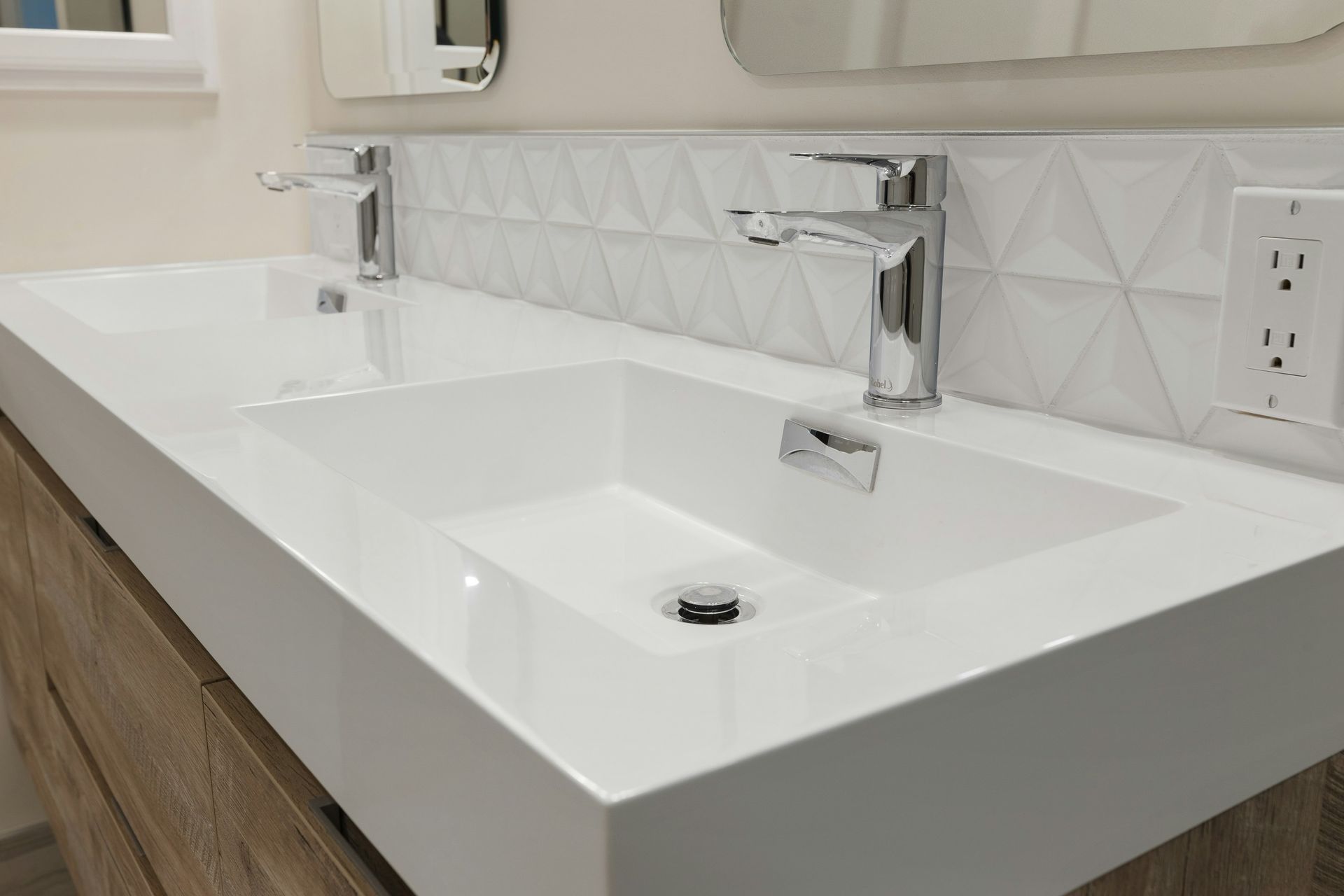
Modern kitchens embrace clean lines, minimalist aesthetics, and innovative materials. This style prioritizes function and simplicity, eliminating unnecessary ornamentation in favor of sleek, streamlined surfaces. Modern cabinetry typically features flat-panel doors without raised details or decorative molding. Hardware often disappears entirely with integrated pulls or touch-latch mechanisms, which contribute to a cleaner appearance. Color palettes tend toward neutrals like white, gray, black, and natural wood tones. Although bold accent colors occasionally make strategic appearances. The overall effect is sophisticated and uncluttered, with every element serving a purpose.
Materials and finishes in modern kitchens h2
Modern design celebrates contemporary materials and finishes that highlight craftsmanship and innovation. High-gloss lacquered cabinets reflect light and emphasize the clean aesthetic, while matte finishes offer a softer, equally sophisticated alternative. Countertops often feature quartz, concrete, or ultra-compact surfaces with minimal veining or subtle patterns. Stainless steel appliances integrate seamlessly into the design, sometimes hidden behind cabinet panels for an even more streamlined look. Glass, metal, and stone can appear throughout the space but in refined, minimalistic forms. Backsplashes might consist of large-format tiles or solid slabs that eliminate grout lines and visual interruption.
What defines transitional kitchen design? h2
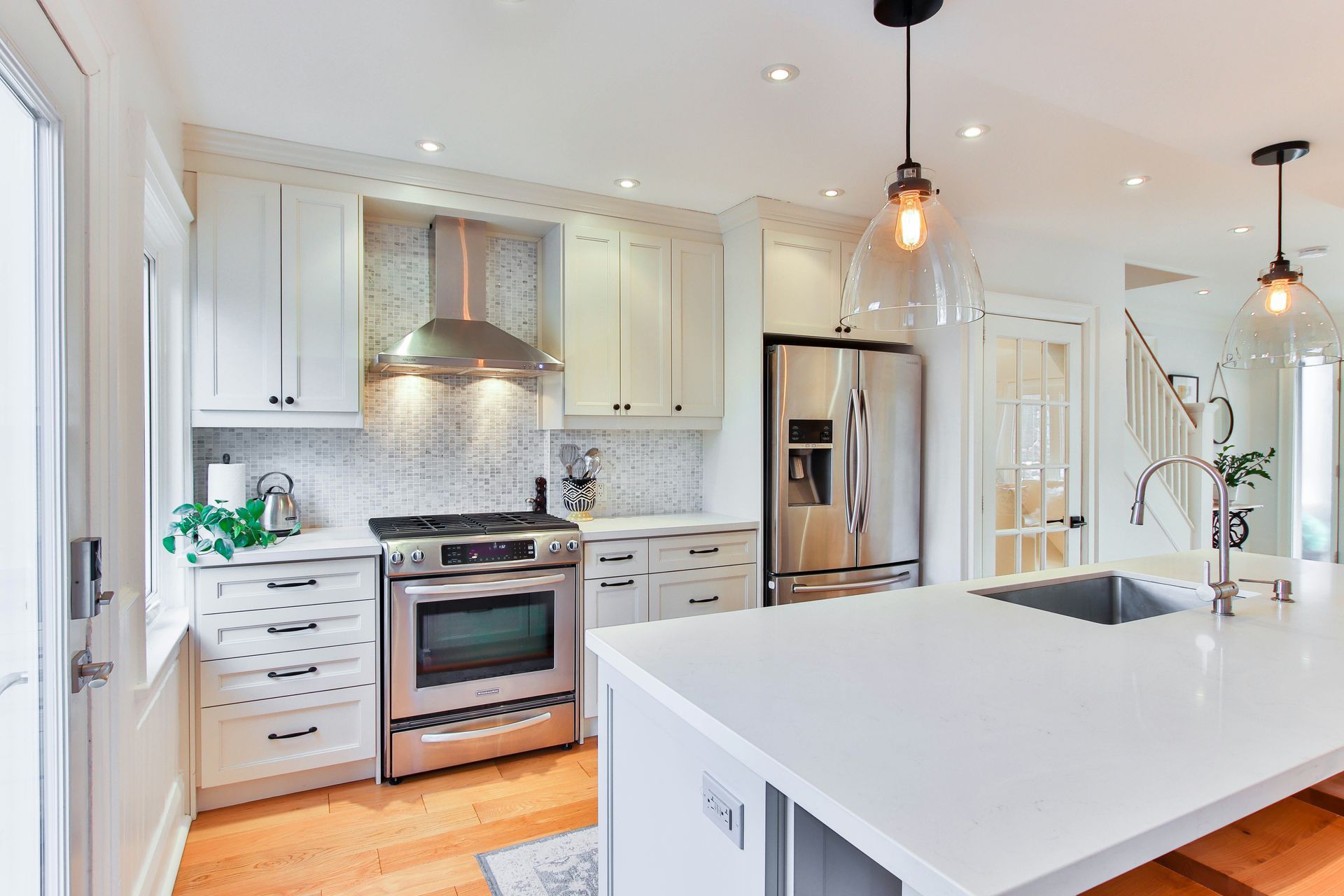
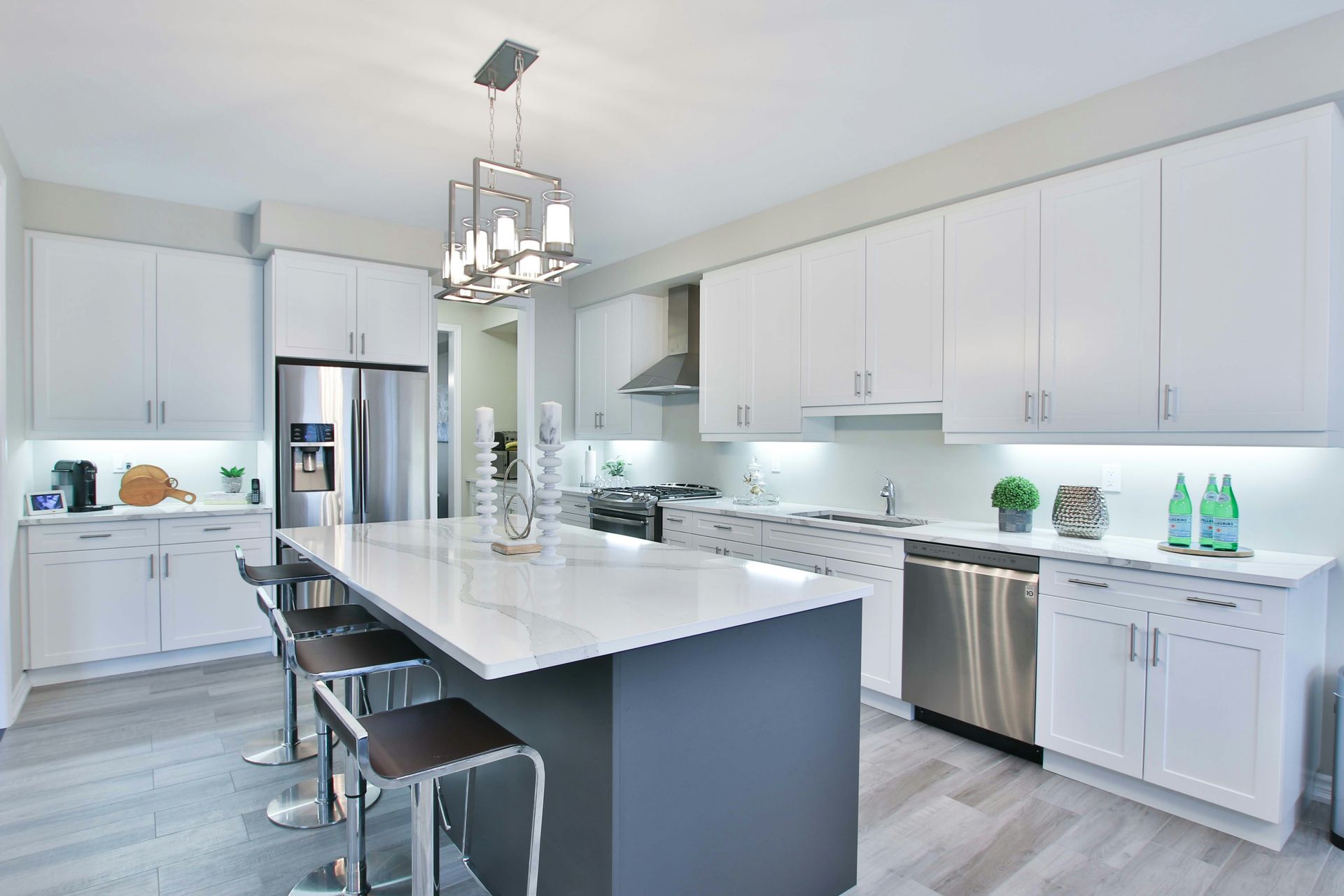
Transitional style tends to bridge traditional and contemporary aesthetics, combining the warmth of classic design with the streamlined functionality of modern spaces. This approach offers flexibility (you don't have to commit to one style!) and timelessness. Transitional kitchens feature less ornate cabinetry than traditional spaces but more detail than purely modern designs. For example, shaker-style cabinets with simple recessed panels are a staple in many transitional kitchens, offering just enough visual interest without appearing fussy or overdone. The style welcomes mixing finishes, perhaps white perimeter cabinets with a contrasting wood island, as they can create depth and personality.
Balancing elements in transitional spaces h2
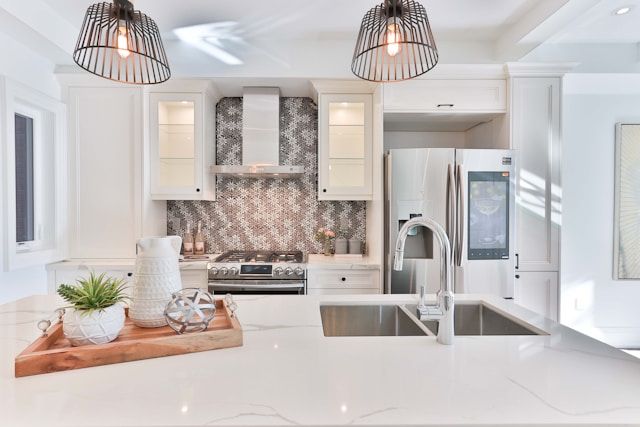
The beauty of transitional design lies in its ability to balance seemingly opposite elements into a cohesive kitchen. Hardware choices might include traditional cup pulls alongside contemporary bar pulls, as long as they all have a consistent finish and size. Lighting fixtures combine classic shapes with modern materials, like a lantern-style pendant crafted from brushed nickel rather than ornate brass, and plenty of natural light, too. Color schemes remain neutral but incorporate warmth through taupe, greige, and soft whites, rather than stark black-and-white contrasts. Countertops balance practicality with subtle beauty, like quartz with gentle veining that hints at marble without overwhelming the space.
Considering your home's architecture h2
Your home's existing architecture can offer great insight and guidance when choosing between modern and transitional design. Modern kitchens work beautifully in contemporary homes, mid-century spaces, or newer construction with open floor plans and clean architectural lines. However, placing an ultra-modern kitchen in a colonial or Victorian home might feel jarring rather than harmonious. This is why transitional design can be so great, with its flexibility that allows it to complement virtually any architectural style, from historic homes to new builds. This adaptability makes transitional an excellent choice if you're unsure which style would look best with your home's architecture, or if your home blends multiple architectural influences.
Lifestyle and longevity factors h2
Beyond aesthetics, consider how each style aligns with your lifestyle and long-term plans. Modern kitchens can require diligent maintenance to preserve their pristine appearance, fingerprints show easily on high-gloss surfaces, and the minimalist aesthetic leaves little room for casual clutter. However, this style can feel energizing and inspiring for those who embrace organization and contemporary living. Transitional kitchens tend to feel more forgiving in daily life, accommodating varying degrees of tidiness while remaining attractive. If you're concerned about trends or resale value, transitional design typically offers broader appeal and longer-lasting value.
Cumberland Kitchen and Bath is ready to help guide your style journey h2
Ultimately, the right kitchen style is the one that makes you feel at home. At Cumberland Kitchen and Bath, we listen to your preferences, evaluate your space, and help you develop a design that authentically represents your taste while functioning beautifully for your daily needs. Whether you're drawn to modern minimalism, transitional balance, or a blend of both, we'll create a kitchen you'll love living with.