How to Choose the Right Tile for Your Kitchen or Bathroom Remodel

Tile is one of the most important decisions in any kitchen or bathroom remodel. It covers a lot of ground — literally. It's also one of the most visible elements in both spaces, so the choice carries a lot of weight aesthetically. And unlike paint, tile isn't something you casually swap out in a few years.
The good news is that once you understand the key variables, tile selection gets a lot less overwhelming. Here's what to think through when choosing tile for your kitchen or bathroom.
Start with the material
Not all tile is created equal, and the material you choose affects both how your space looks and how it holds up over time.
Porcelain is the workhorse of tile. It's dense, low-maintenance, water-resistant, and available in an enormous range of sizes, colors, and finishes — including convincing lookalikes for wood, stone, and concrete. It's the most versatile option for both kitchens and bathrooms, and it handles heavy use well.
Ceramic is similar to porcelain but slightly less dense, which makes it a little easier to cut and install. It's a solid choice for bathroom walls, backsplashes, and low-traffic floor areas. In high-traffic kitchens, porcelain typically holds up better.
Natural stone — marble, travertine, slate, granite — brings unmatched warmth and character that no manufactured tile can fully replicate. The tradeoff is maintenance. Natural stone is porous, requires sealing, and is more susceptible to staining and scratching. In the right setting, it's stunning. In a busy family kitchen, it requires more care than most homeowners want to give it.
Think about tile size and format
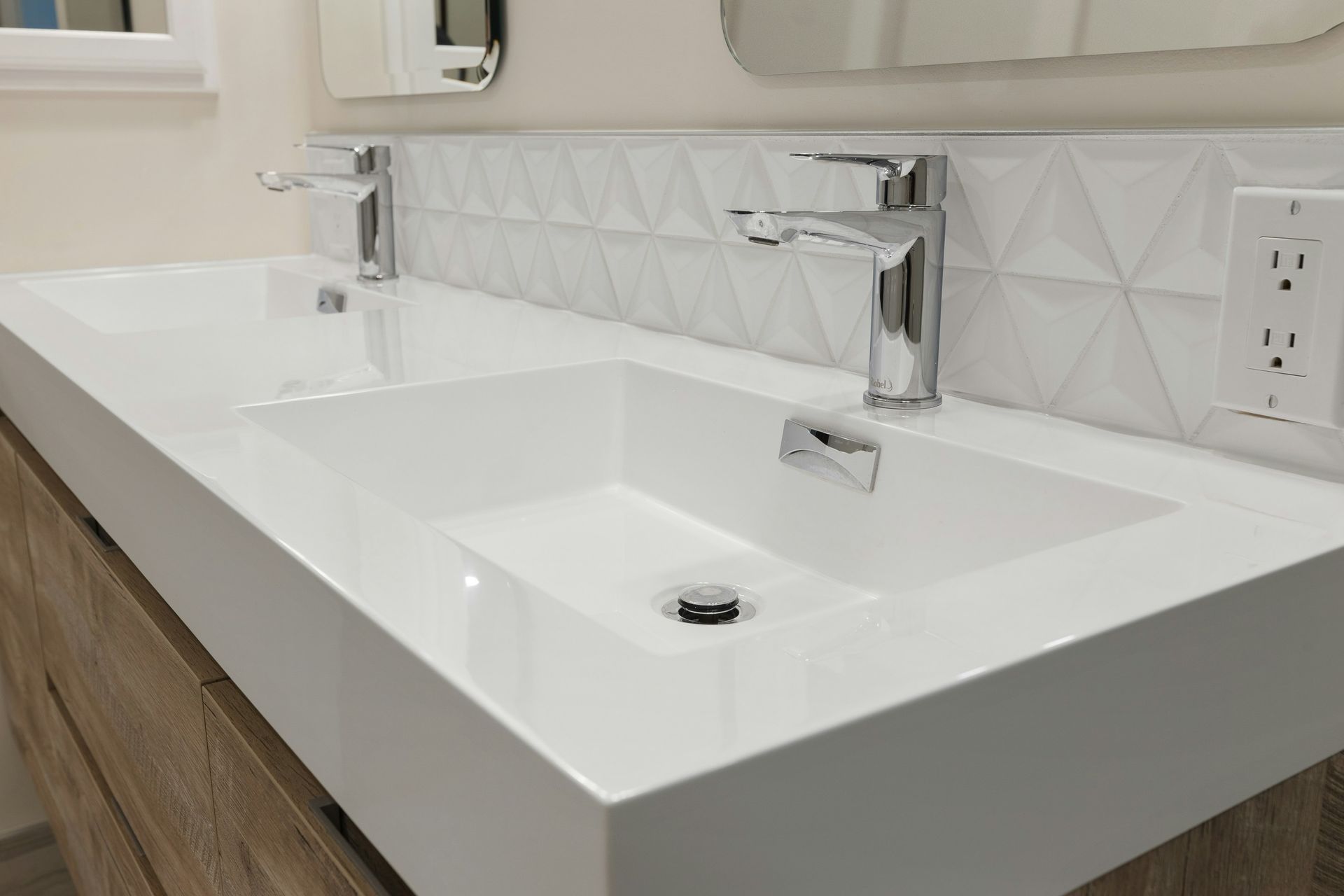
The size of your tile affects how a room feels. Larger format tiles — 24x24, 18x24 — create a sleek, expansive look with fewer grout lines. They work especially well in larger spaces and tend to read as more contemporary. Smaller tiles, like classic subway or mosaic formats, can add texture, pattern, and visual interest. They're also practical in showers, where smaller tiles conform more naturally to curves and slopes.
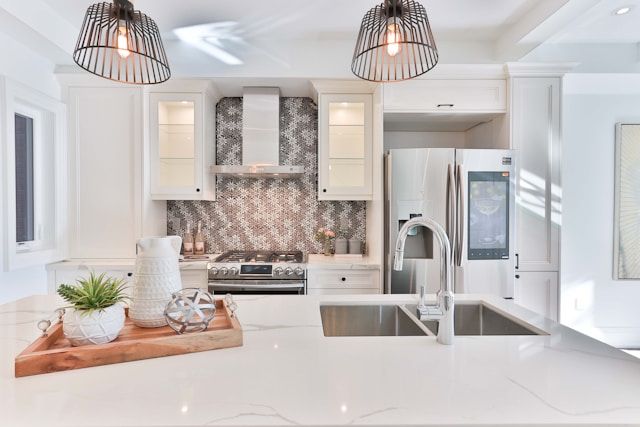
In a bathroom, large-format floor tiles can make a small space feel bigger. In a kitchen, a bold backsplash tile in a smaller format can become a focal point that ties the whole design together. The key is thinking about how the tile interacts with the other materials in the room — not just how it looks on a sample card.
Grout color is part of the design
Grout is not an afterthought. The color you choose — and how closely it matches or contrasts with the tile — dramatically changes the finished look. A grout that matches the tile color creates a seamless, monolithic feel. A contrasting grout emphasizes the individual tiles and adds graphic interest. White grout on white subway tile looks crisp and classic; dark grout on the same tile looks editorial and intentional.
Keep in mind that lighter grout shows dirt more readily and requires more cleaning in high-use areas like kitchen floors. Darker grout is more forgiving but can lighten slightly over time with regular cleaning. Sealed grout in either color holds up better and stays looking newer longer.
Floor tile and backsplash tile are different decisions
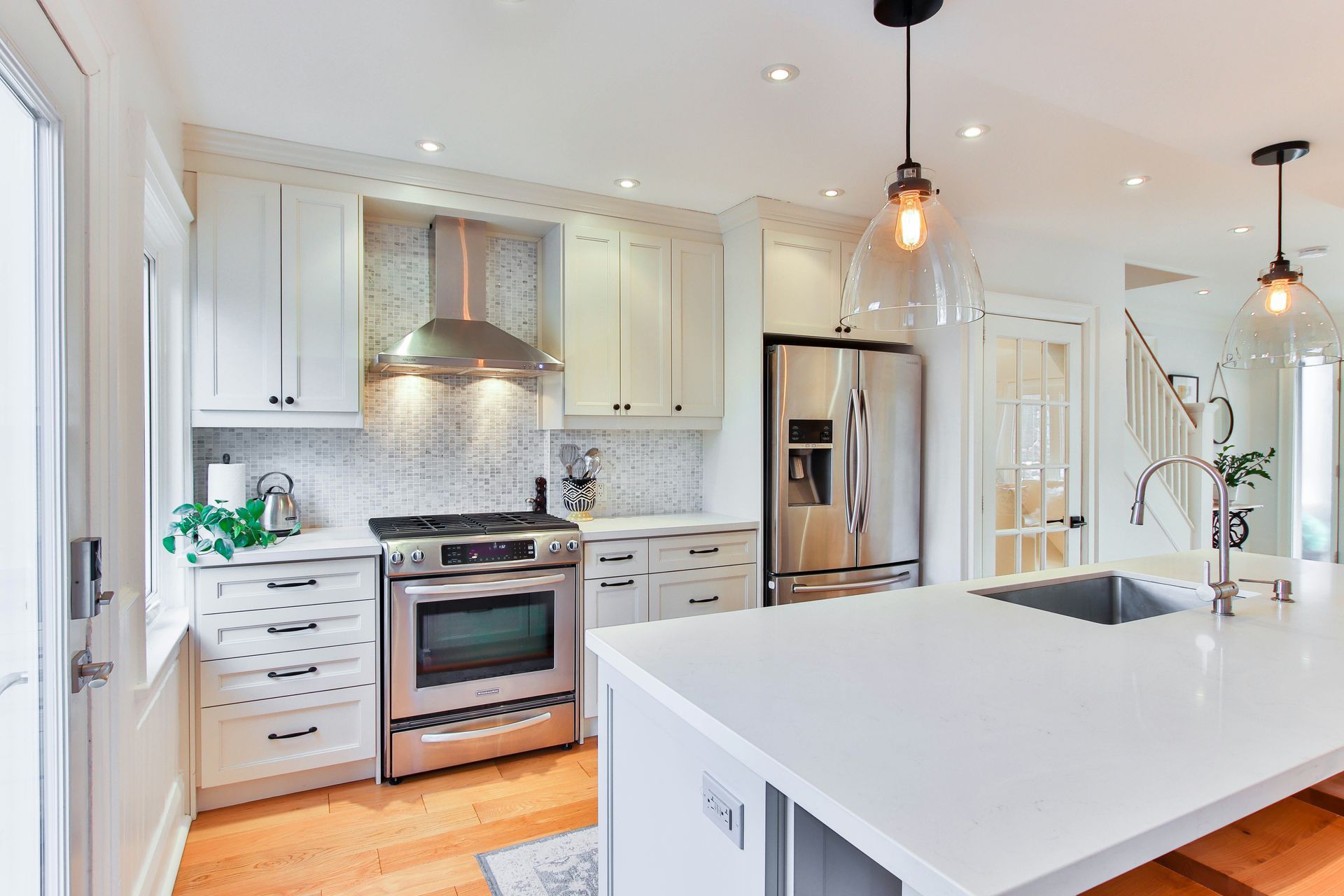
It's tempting to match your floor and backsplash tile for simplicity, but they don't need to be the same — and often work better when they're not. Floor tile should prioritize durability, slip resistance (especially in the bathroom), and a finish that holds up underfoot. Backsplash tile has more creative latitude: it's a natural place to introduce color, pattern, or texture since it's more protected from wear.
In the bathroom, shower walls are their own consideration. Large-format tiles with minimal grout lines look clean and are easier to maintain. Niches and accent walls are opportunities to introduce a contrasting material — zellige, handmade ceramic, or a dramatic stone — without committing to it across the entire space.
Let the whole room guide the choice
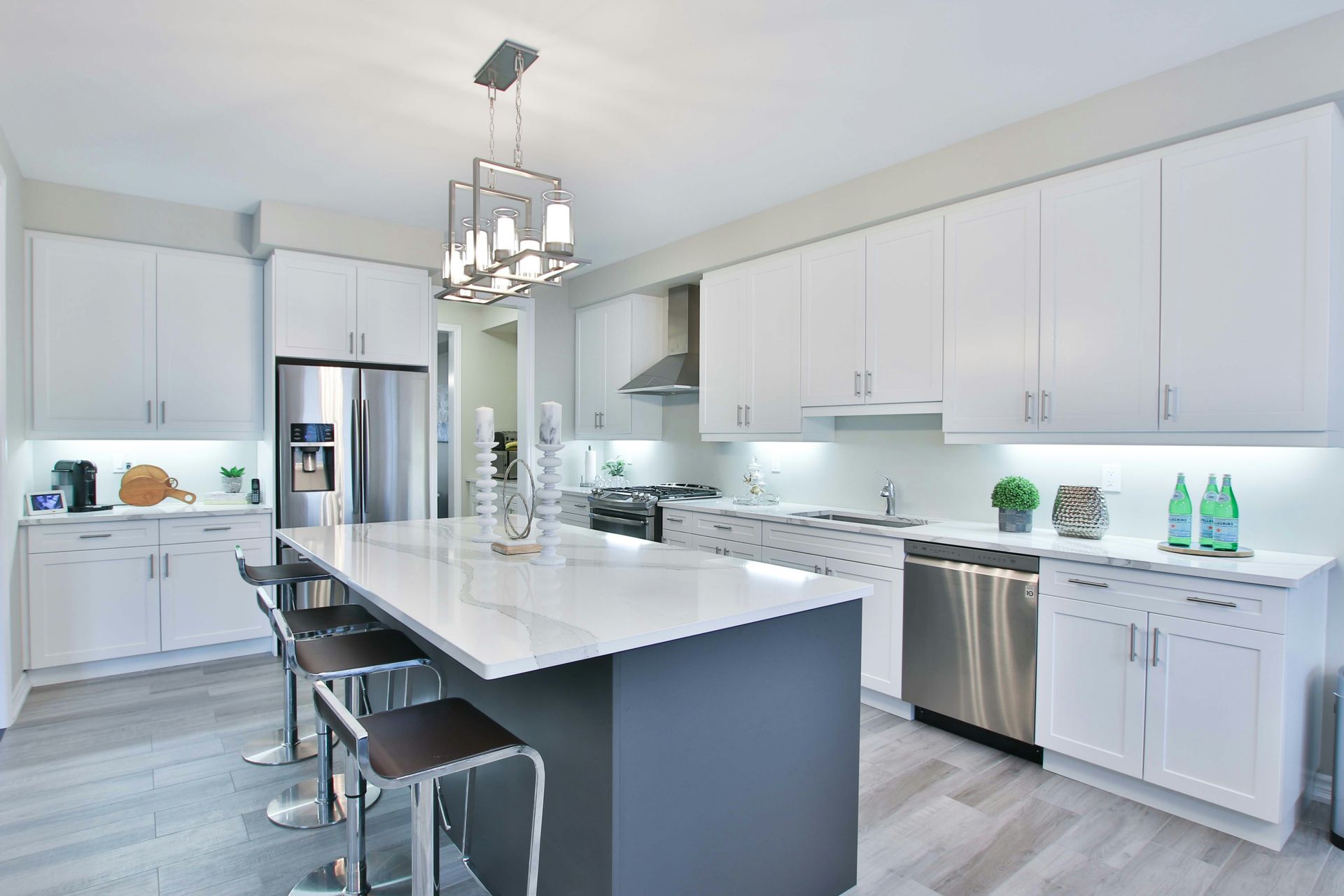
The best tile choices are made in context of the full design — the cabinetry, countertops, fixtures, and lighting all working together. A tile that looks beautiful in isolation can feel off once it's installed alongside everything else. This is why we review tile selections as part of the full remodel design process, not as a standalone decision.
At Cumberland Kitchen and Bath, we guide homeowners through every material choice — including tile — as part of a cohesive whole-room design. If you're planning a kitchen or bathroom remodel and want help sorting through the options, we'd love to talk. Contact us today to schedule your design consultation.